
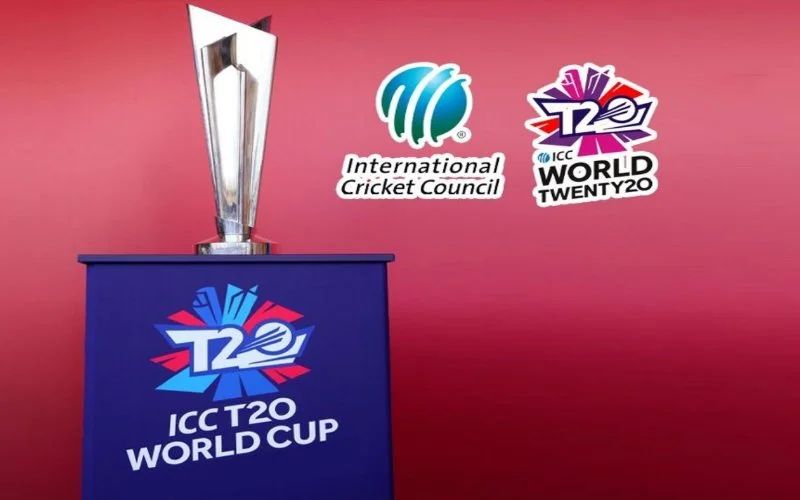
Online Gambling and the T20 World Cup: Opportunities, Risks, and the Regulatory Landscape
Introduction
The ICC Men’s T20 World Cup has evolved from a niche tournament into a global spectacle that captures the imagination of billions. As stadiums fill with cheering fans, a parallel universe of digital users watches the action unfold on screens, placing wagers on every boundary, wicket, and super over. This convergence of sport and technology has turned cricket into one of the most lucrative segments of the online gambling industry. In this article we examine the dynamics that drive betting activity during the tournament, assess the economic impact, explore regulatory challenges, and outline best practices for responsible participation.
Historical Context of the T20 World Cup
Since its inauguration in 2007, the T20 World Cup has undergone several format changes, expanding from eight teams to a multi‑stage event featuring more than twenty nations. The fast‑paced, high‑scoring nature of the format makes it inherently attractive to bettors, who thrive on volatility and the frequency of decisive moments. Over the past decade, viewership has surged, with the 2022 edition reaching over 650 million unique viewers worldwide. This audience growth has been mirrored by a proportional increase in betting volumes, as operators scramble to offer tailored products that match the rapid tempo of the game.
Growth of Online Betting in Cricket
Historically, cricket betting was confined to underground bookmakers and limited‑scope betting shops. The digital revolution, however, has democratized access. Broadband penetration, mobile‑first internet usage, and the proliferation of secure payment gateways have lowered barriers for casual fans to engage in wagering. In emerging markets such as India, Bangladesh, and the Caribbean, smartphone adoption outpaces traditional broadband, enabling millions to place bets in real time. Legal reforms in several jurisdictions have further legitimized the sector, allowing licensed operators to market cricket‑specific betting lines, fantasy leagues, and in‑play markets.
Why the T20 World Cup Drives Betting Activity
The tournament’s structure—short matches, frequent upsets, and a global roster of star players—creates a perfect storm for betting enthusiasm. Each 20‑over innings presents multiple betting windows: opening market odds, live odds, player‑performance props, and novelty bets such as “next wicket type” or “method of dismissal.” The condensed schedule, with matches often played back‑to‑back, encourages bettors to place multiple wagers within a single day, amplifying turnover. Moreover, national pride fuels “home‑team” betting spikes, especially in countries where cricket is a cultural cornerstone.
Market Size and Economic Impact
According to independent market analyses, global betting turnover linked to the T20 World Cup consistently exceeds $2 billion per edition. In South Asia alone, the tournament accounts for roughly 30 % of all cricket‑related betting revenue during its three‑month window. Sponsorship deals between betting operators and national cricket boards have also surged, with multi‑year contracts that embed branding across broadcast, digital, and stadium assets. This financial influx supports ancillary industries, including data analytics providers, odds‑making firms, and technology platforms that deliver live streaming and instant statistics.
Legal and Regulatory Landscape
Regulation varies dramatically across regions. In the United Kingdom, the Gambling Commission enforces stringent licensing requirements, mandating transparency, player protection, and anti‑money‑laundering (AML) compliance. Conversely, several Asian markets operate under ambiguous legal frameworks, where betting may be technically prohibited yet tacitly tolerated. Operators targeting these jurisdictions must navigate a complex maze of licensing, taxation, and localization rules to avoid punitive actions. Recent legislative efforts in India propose a unified betting code that would legalize and regulate online wagering, potentially unlocking a market of over 400 million internet users.
Responsible Gaming and Consumer Protection
With great revenue comes the responsibility to safeguard vulnerable players. Leading operators now incorporate self‑exclusion tools, deposit limits, and real‑time gambling‑behavior analytics powered by artificial intelligence. Education campaigns, often in partnership with national healthcare agencies, aim to raise awareness of problem‑gambling signs. Regulatory bodies, such as the Malta Gaming Authority, require operators to submit regular audits of their responsible‑gaming measures. These initiatives are crucial, as the high‑intensity nature of T20 matches can encourage impulsive betting behavior.
Technological Innovations Shaping the Experience
Advancements in data streaming, cloud computing, and blockchain have transformed how bets are placed and settled. Live‑betting platforms now deliver millisecond‑level odds updates, allowing bettors to react to every ball bowled. AI-driven models aggregate player form, pitch conditions, and historical data to generate more accurate probability forecasts, enhancing market efficiency. Some operators experiment with decentralized ledger technology to provide transparent transaction records, thereby increasing trust among users who are wary of traditional payment processors.
Emerging Platforms: The Rise of Specialized Operators
Specialized cricket betting platforms have carved out niche markets by offering localized user experiences, regional languages, and exclusive promotions tied to national teams. One such platform, gamexch567, has rapidly gained traction through its user‑friendly mobile interface and seamless integration of live streaming with instant bet settlement. The platform emphasizes community engagement, allowing users to discuss match strategies in forum‑style chat rooms, thereby fostering a more immersive betting environment.
Alternative Solutions: Community‑Focused Betting Sites
Another growing contender, khelchamps, differentiates itself by blending fantasy cricket leagues with traditional betting markets. This hybrid approach appeals to fans who enjoy roster management alongside conventional wager types. The site’s algorithmic reward system incentivizes strategic play, rewarding users for accurate predictions over the course of the tournament rather than single‑match outcomes. Such innovations reflect a broader industry trend toward diversified product offerings that cater to varied gamer profiles.
Future Outlook and Strategic Considerations
Looking ahead, the synergy between the T20 World Cup and the betting ecosystem is poised to intensify. Enhanced broadband coverage in remote regions, coupled with the rollout of 5G networks, will enable higher fidelity live streams and more sophisticated in‑play betting options. Regulatory harmonization, particularly in large markets like India, could usher in a new era of licensed, tax‑revenue‑generating betting operations. Operators that invest in responsible‑gaming frameworks, leverage AI for predictive analytics, and prioritize localized user experiences will likely capture the most market share as the sport continues its global expansion.
Conclusion
The T20 World Cup serves as a catalyst that amplifies the scale and sophistication of online betting on cricket. While the financial rewards for operators and sponsors are significant, the industry must balance profit motives with robust consumer protection and adherence to evolving legal standards. By embracing technology, fostering responsible gambling habits, and delivering tailored platforms such as those highlighted above, the sector can ensure sustainable growth while enhancing the enjoyment of the game for millions of fans worldwide.