The Rise of Android Apps in the Online Gambling Industry: Trends, Features, and Future Outlook
Introduction
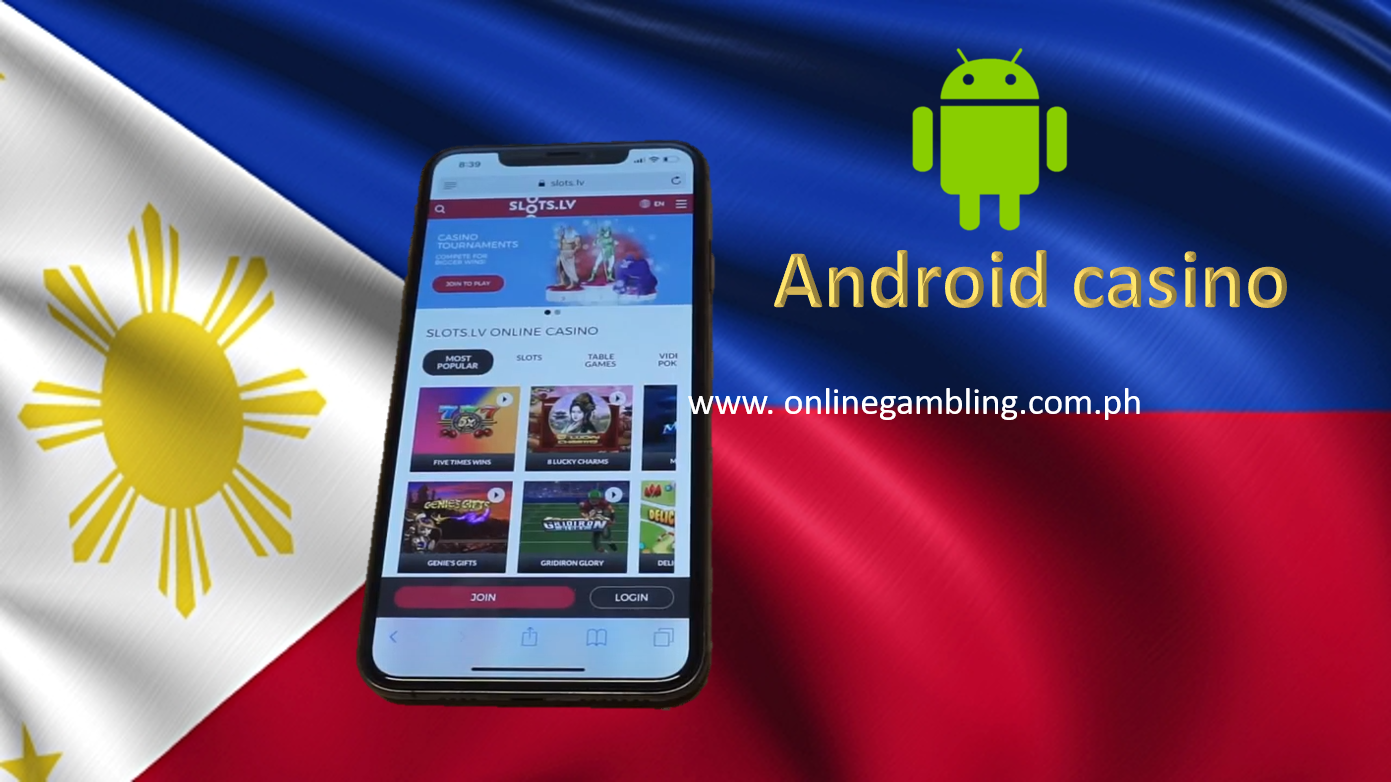
The mobile revolution has transformed countless sectors, and the gambling industry is no exception. Today, the majority of bettors prefer the convenience of a smartphone, with Android devices leading the charge due to their widespread adoption and flexible ecosystem. An online gambling Android app can deliver a seamless, immersive experience that rivals traditional desktop platforms, offering instant access to sports betting, casino games, live dealer interactions, and fantasy sports—all from the palm of a user’s hand. This article delves into the factors driving the surge of Android gambling applications, outlines essential features that define successful apps, examines regulatory and security considerations, and predicts the innovations that will shape the market in the years ahead.
Market Overview: Why Android?
Android’s global market share surpasses 70%, making it the dominant operating system across emerging and mature economies alike. Several dynamics make Android the preferred platform for gambling operators:
- Device Diversity: From budget smartphones to high‑end flagships, Android’s hardware spectrum caters to users across income brackets, expanding the potential betting audience.
- Open‑Source Flexibility: Developers can customize the user interface, integrate third‑party SDKs, and deploy frequent updates without the constraints imposed by more closed ecosystems.
- Google Play Policies: While Google imposes certain restrictions on gambling content, it also provides clear guidelines for compliance, enabling operators to launch and maintain apps with confidence.
These advantages have spurred a rapid proliferation of gambling apps, with hundreds of titles now available in major markets such as India, Southeast Asia, and Latin America.
Core Features of a Winning Gambling Android App
1. Intuitive User Interface (UI) and User Experience (UX)
A clean, responsive design is paramount. Users expect fast load times, easy navigation between sports, casino, and live‑dealer sections, and a frictionless deposit/withdrawal flow. Implementing dark mode, customizable dashboards, and gesture‑based navigation can further enhance engagement.
2. Real‑Time Betting & Live Streams
Live betting has become the gold standard for modern bettors. Integrating low‑latency streaming technology allows users to watch matches while placing in‑play wagers. Adaptive bitrate streaming ensures smooth performance even on slower mobile networks.
3. Secure Payment Gateways
Multiple payment options—credit/debit cards, e‑wallets, UPI, and cryptocurrency—must be supported. End‑to‑end encryption, tokenization, and compliance with PCI DSS standards safeguard financial data and build trust.
4. Personalization & AI‑Driven Recommendations
Machine‑learning algorithms analyze betting patterns to suggest personalized offers, odds boosts, and relevant promotions. Push notifications tailored to user preferences increase retention without overwhelming the audience.
5. Responsible Gambling Tools
Features such as self‑exclusion, deposit limits, session timers, and access to support resources are not only ethical imperatives but also regulatory requirements in many jurisdictions.
6. Multi‑Language Support
To tap into diverse markets, apps should offer localized language packs, regional betting markets, and culturally relevant promotions. This improves accessibility and user satisfaction.
Security and Compliance: The Foundations of Trust
Operating a gambling app involves navigating a complex web of legal and security obligations. Below are the critical components developers and operators must address:
Licensing and Regulatory Adherence
Before launching, operators must obtain a valid gambling license from a recognized jurisdiction—such as Malta, Gibraltar, or a local authority in India. The licensing process ensures that the platform adheres to standards for fairness, anti‑money‑laundering (AML), and consumer protection. Continuous audits by regulatory bodies are commonplace, and any breach can result in hefty fines or license revocation.
Data Protection
Compliance with data privacy frameworks—GDPR, India’s Personal Data Protection Bill, and other regional statutes—is mandatory. This mandates clear privacy policies, secure data storage, and the right for users to request data deletion.
Encryption & Fraud Prevention
All data transmitted between the device and servers must be encrypted using TLS 1.3 or higher. Additionally, employing anti‑fraud solutions such as device fingerprinting, real‑time transaction monitoring, and biometric authentication (fingerprint or facial recognition) mitigates the risk of account takeover and financial fraud.
Case Studies: Platforms Making an Impact
Two notable platforms have demonstrated how strategic development and targeted marketing can create dominant positions within the Android gambling landscape.
GameXCH567
The gamexch567 platform leverages a robust AI engine to offer dynamic odds for cricket, football, and e‑sports. By integrating a seamless wallet system that supports UPI and popular crypto tokens, it has captured a sizable share of the Indian market, especially among younger bettors seeking fast payouts.
KhelChamps
Another rising star, khelchamps, focuses on fantasy sports and live‑dealer casino experiences. Its app distinguishes itself through a strong community feature set—chat rooms, leaderboards, and social sharing—which fosters user loyalty and viral growth.
Monetization Strategies for Android Gambling Apps
While the core revenue stream is straightforward—taking a commission (or “vig”) on bets and a house edge on casino games—operators employ supplemental tactics to maximize lifetime value (LTV) of players:
- In‑App Promotions: Time‑limited bonuses, free spins, and match‑bet offers incentivize higher betting volumes.
- Affiliate Partnerships: Referral programs reward users for bringing new bettors, expanding the user base organically.
- Premium Subscriptions: Some apps offer ad‑free experiences, exclusive odds, or early access to high‑stakes tables for a monthly fee.
- Data Insights Sales (Within Legal Bounds): Aggregated, anonymized betting data can be sold to market research firms, providing an additional revenue layer.
Challenges Facing Android Gambling Apps
Despite the lucrative opportunities, developers must overcome several hurdles:
Platform Restrictions
Google Play enforces specific policies on gambling content, requiring apps to be age‑restricted, geo‑targeted, and to display appropriate health warnings. Failure to comply can result in removal from the Play Store, forcing operators to rely on sideloading—a less user‑friendly distribution method.
Payment Processor Limitations
Many traditional banks and payment gateways balk at processing gambling transactions. Operators must negotiate with specialized processors or integrate emerging solutions like blockchain‑based payments, which introduce volatility and regulatory complexity.
Responsible Gambling Mandates
Increasing scrutiny from regulators demands that operators invest heavily in responsible gambling technologies. This includes real‑time behavioural analytics to detect problem gambling and mandatory integration with national self‑exclusion registers.
Cybersecurity Threats
High‑value financial transactions make gambling apps prime targets for DDoS attacks, ransomware, and credential stuffing. Ongoing security audits, bug bounty programs, and rapid incident response plans are essential safeguards.
Future Trends: What Lies Ahead for Android Gambling
The intersection of mobile technology and gambling is poised for several transformative developments:
1. Augmented Reality (AR) Casinos
AR can bring the ambience of a brick‑and‑mortar casino to a user’s living room, overlaying 3D tables and dealers onto real‑world environments via smartphone cameras.
2. Integration with Wearables
Smartwatches and other wearables may soon allow bettors to receive odds updates, place quick bets, and monitor responsible gambling metrics without pulling out their phones.
3. Enhanced AI Personalization
Next‑gen AI will not only recommend bets but also simulate opponent behavior in poker or blackjack, creating hyper‑personalized practice modes that improve player skill.
4. Decentralized Gaming Platforms
Blockchain technology could enable truly decentralized gambling ecosystems, where smart contracts enforce fairness and payout rules transparently, reducing reliance on traditional licensing bodies.
Conclusion
Android applications have become the cornerstone of modern online gambling, delivering unparalleled convenience, immersive experiences, and sophisticated analytics that drive both user engagement and operator profitability. By focusing on intuitive design, robust security, regulatory compliance, and innovative features—exemplified by platforms such as gamexch567 and khelchamps—developers can capture the rapidly expanding mobile betting market.
Looking ahead, emerging technologies like AR, AI, and blockchain will further blur the lines between virtual and physical gambling venues, creating new revenue streams and user experiences. Operators that proactively embrace these trends while maintaining a steadfast commitment to responsible gambling and data security will not only survive but thrive in the competitive landscape of Android gambling apps.