
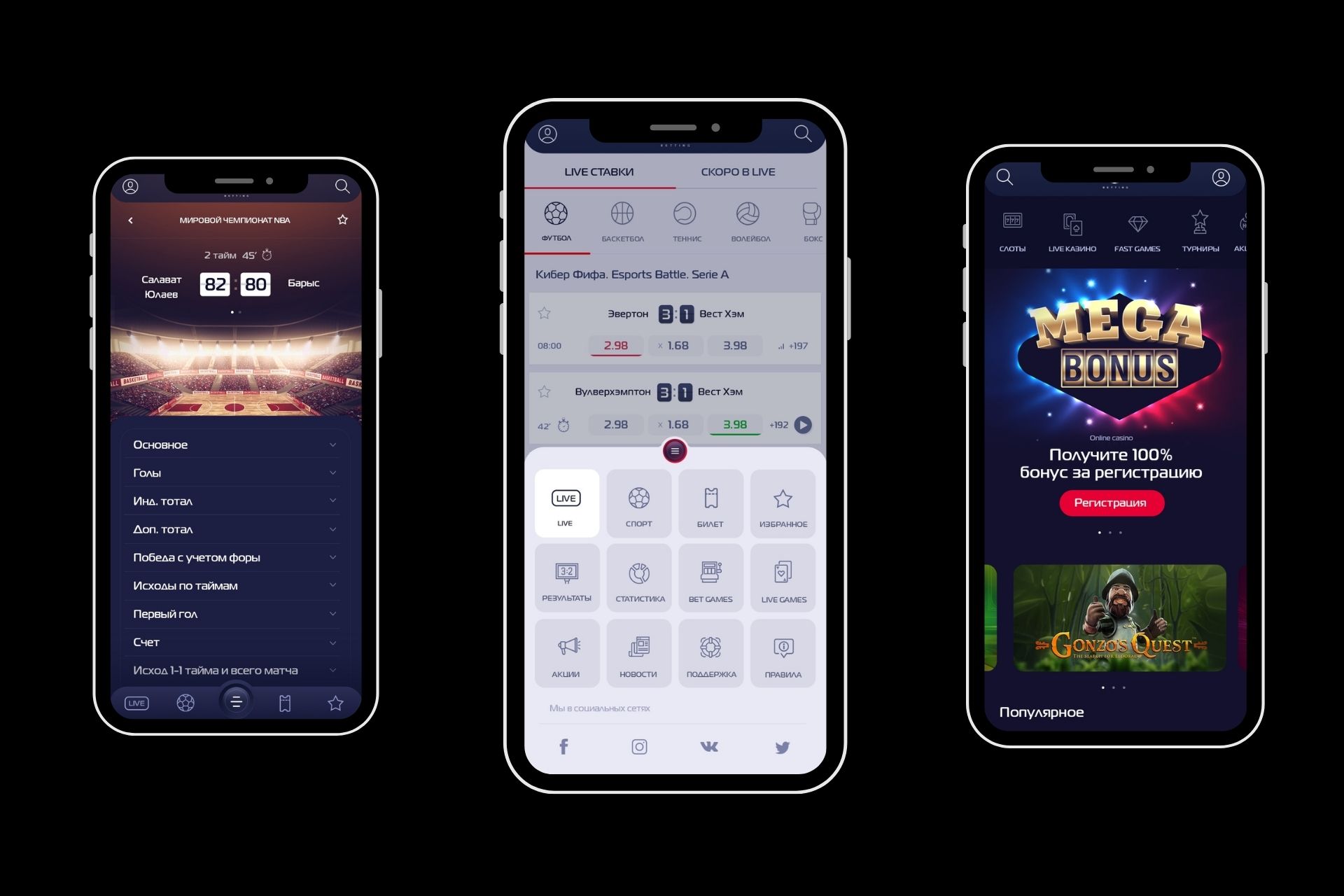
The Rise of Mobile Apps in Online Gambling: Trends, Technology, and Safety
Introduction: Mobile Apps as the New Frontier of online gambling
The gambling landscape has undergone a seismic shift over the past decade. While traditional brick‑and‑mortar casinos still draw crowds, the majority of growth now stems from digital platforms accessed through smartphones. Mobile applications deliver instant access to sports betting, live‑dealer tables, and casino slots, all from the palm of a hand. This convenience, combined with sophisticated technology and a generation accustomed to on‑the‑go entertainment, has propelled mobile gambling into the mainstream. In this article we examine the key drivers behind the surge, the underlying technologies that empower apps, the regulatory and security challenges that operators face, and the future innovations poised to redefine the sector.
Market Momentum: Why Users Prefer Mobile Over Desktop
Several factors explain the rapid adoption of mobile gambling apps. First, smartphone penetration is now above 80 % in many markets, creating a massive potential user base. Second, the user experience on a responsive app is typically smoother than a web browser, offering faster load times, push notifications for real‑time odds, and seamless integration with device features such as biometric authentication. Third, the social element—chat rooms, leaderboards, and shared betting pools—translates well to mobile ecosystems where users are already accustomed to interacting via messaging platforms.
Data from industry analysts shows that mobile revenue accounts for more than 60 % of total online gambling turnover in several jurisdictions. Moreover, the average session length on mobile devices has increased by 25 % year‑over‑year, indicating that users are not merely checking odds but engaging in full‑fledged betting sessions that include deposits, live streaming, and payouts—all within a single app.
Case Study: Cricket‑Centric Platforms
In regions where cricket dominates the sports betting market, specific mobile platforms have capitalised on fan enthusiasm. For instance, the gamexch567 app tailors its interface to cricket enthusiasts, offering live match commentary, dynamic odds on every ball, and exclusive fantasy‑style challenges. By integrating localized content and community features, such apps demonstrate how niche focus can drive user loyalty and higher average bets.
Technological Foundations of Modern Gambling Apps
Building a high‑performance gambling app requires a blend of robust back‑end infrastructure, cutting‑edge front‑end design, and stringent security protocols. Below are the core technological components that underpin successful platforms.
1. Cloud‑Based Scalability
Cloud services such as AWS, Google Cloud, and Microsoft Azure enable operators to scale resources up or down based on traffic spikes—common during major sporting events. Auto‑scaling groups, container orchestration (Kubernetes), and serverless functions ensure that latency remains low even when millions of users place bets simultaneously.
2. Real‑Time Data Feeds
Accurate, low‑latency odds are essential. Operators integrate APIs from data providers that deliver live scores, player statistics, and match events. These streams feed directly into the app’s odds engine, allowing dynamic adjustments that keep the betting experience competitive and fair.
3. Secure Payment Gateways
Mobile apps support a variety of payment methods—credit/debit cards, e‑wallets, UPI, and increasingly, cryptocurrencies. End‑to‑end encryption (TLS 1.3) and tokenisation protect card details, while token‑based wallets enable rapid deposits and withdrawals without exposing sensitive data.
4. AI‑Driven Personalisation
Machine learning models analyse user behaviour to recommend games, suggest bet sizes, and identify potential problem‑gambling patterns. By delivering personalised push notifications—such as “Your favourite team is about to start”—operators boost engagement while also meeting responsible gambling obligations.
Design Principles for an Engaging Mobile Experience
Beyond technology, the visual and interactive design of an app determines user satisfaction. Successful gambling apps share several design hallmarks:
Intuitive Navigation
Clear categorisation (Sports, Live Casino, Slots, Promotions) reduces friction. Bottom navigation bars, common on mobile, allow one‑hand operation, essential for on‑the‑go betting.
Responsive Layouts
Adaptive UI components ensure the app functions flawlessly across devices with varying screen sizes and resolutions—from compact smartphones to larger tablets.
Live Streaming Integration
Embedding high‑definition streams of matches or casino tables directly within the betting interface keeps users immersed. The ability to place bets while watching a live event eliminates the need to switch contexts, a feature that drives higher conversion rates.
Gamification Elements
Leaderboards, achievement badges, and loyalty tiers incentivise repeat play. Reward systems that tie directly to real‑world value—cashbacks, free spins, or bonus bets—enhance perceived value and retention.
Regulatory Landscape and Compliance Challenges
The rapid expansion of mobile gambling has prompted regulators worldwide to tighten oversight. Operators must navigate a complex mosaic of licensing regimes, taxation policies, and consumer protection rules.
Licensing and Jurisdiction
Obtaining a licence from reputable authorities (e.g., Malta Gaming Authority, UK Gambling Commission, or local bodies) remains the cornerstone of legitimacy. Licences typically require stringent checks on financial stability, player protection measures, and anti‑money‑laundering (AML) procedures.
Data Protection and Privacy
Compliance with data privacy laws such as GDPR (EU), PDPB (India), and CCPA (California) dictates how user data is collected, stored, and processed. Mobile apps must implement consent mechanisms, clear privacy notices, and data minimisation practices.
Responsible Gambling Tools
Regulators mandate features that allow users to set deposit limits, self‑exclude, or seek help. Integrating real‑time monitoring systems that flag risky behaviour—excessive betting frequency, large losses, or churn patterns—helps operators meet these obligations while protecting players.
Security Measures: Safeguarding Users and Operators
Security is a non‑negotiable aspect of any gambling app. Threat vectors include credential theft, payment fraud, and DDoS attacks. Operators adopt a multilayered defence strategy.
Biometric Authentication
Fingerprints and facial recognition add an extra layer of identity verification, reducing reliance on passwords that can be compromised.
Two‑Factor Authentication (2FA)
One‑time passwords sent via SMS or authenticator apps provide a second verification step for critical actions such as withdrawals.
Regular Audits and Penetration Testing
Independent security firms conduct periodic assessments to uncover vulnerabilities. Certification from bodies like eCOGRA reinforces trust among regulators and players.
Emerging Trends Shaping the Future of Mobile Gambling
While current apps already offer sophisticated experiences, the next wave of innovation promises even deeper immersion and broader accessibility.
Virtual and Augmented Reality
VR headsets can recreate a casino atmosphere, allowing users to walk around tables, interact with dealers, and compete with friends in a 3D environment. AR overlays can display odds and statistics directly onto a live‑streamed match on a mobile screen.
Cryptocurrency Integration
Blockchain‑based payments enable near‑instant settlements, reduced transaction fees, and anonymity for users in regions with restrictive banking systems. Some platforms also experiment with tokenised loyalty points that can be traded on secondary markets.
5G Connectivity
The rollout of 5G networks reduces latency to milliseconds, facilitating smoother live streaming, real‑time betting, and richer graphics without compromising battery life.
Social Betting Platforms
Combining elements of social media—chat rooms, friend feeds, shared bet pools—creates a community‑centric model that encourages viral growth. The rise of “bet‑sharing” functions allows users to replicate successful strategies from peers, blurring the line between gambling and social interaction.
Case Study: Community‑Driven Cricket Betting
Another successful mobile initiative is the khelchamps app, which layers community features over a traditional betting engine. Users can form squads, compete in league‑wide tournaments, and earn collective rewards based on group performance. This model demonstrates how blending competition and collaboration can elevate player engagement beyond solitary wagering.
Best Practices for Operators Launching a New Mobile Gambling App
- Conduct Market Research: Identify target demographics, preferred game types, and regional regulatory requirements.
- Choose the Right Technology Stack: Opt for cross‑platform frameworks (React Native, Flutter) for faster development while ensuring native performance for critical components.
- Prioritise Security from Day One: Implement encryption, secure APIs, and regular vulnerability assessments.
- Integrate Responsible Gambling Tools Early: Build limit‑setting, self‑exclusion, and behavioural analytics into the core product.
- Plan a Scalable Architecture: Leverage cloud services and micro‑services to handle traffic spikes without downtime.
- Invest in UI/UX Design: Conduct usability testing on multiple device sizes and iterate based on user feedback.
- Maintain Ongoing Compliance: Stay abreast of regulatory updates and adjust policies accordingly.
Conclusion: Mobile Apps Define the Next Era of Gambling
The convergence of high smartphone adoption, advanced cloud infrastructure, AI‑driven personalisation, and rigorous security has created an environment where mobile gambling apps flourish. Operators that master the balance between innovative user experiences and strict regulatory compliance will capture the growing share of the market. As emerging technologies such as VR, 5G, and blockchain mature, they will further blur the lines between entertainment and wagering, delivering immersive experiences that were once the stuff of science fiction. For players, the future promises unprecedented convenience, richer interactivity, and safer betting environments—all at the tap of a screen.